This article may contain affiliate links. If you buy through them, Everyday Wellness Habits may earn a small commission at no extra cost to you. Learn more.
There was a time when I believed that movement had to feel intense to be effective. I thought that if I didn’t leave a workout pouring with sweat, I hadn’t done enough. My mornings were filled with high-energy classes that left me exhausted by the day’s end. But somewhere along the way, I realized that the body deserves more than just to be pushed; it craves to be listened to and respected. This journey towards moving with intention began as a whisper in my mind and slowly grew into a conversation with my body.
The Turning Point
It was a chilly Saturday morning, and I had signed up for a new spin class. I walked in, the music thumping and the room buzzing with energy. The instructor was a powerhouse, and I felt a surge of excitement. But as the class progressed, something shifted. My legs were on fire, and I could feel my heart racing, not in a good way. I struggled to keep up, and a sense of dread washed over me. Instead of the euphoric high I expected, I felt defeated. When class ended, I could barely walk out of the studio. That day, I realized I had been moving without regard for my body’s needs and signals.
It was a wake-up call. I didn’t just want to be active; I wanted to move in a way that felt good and nourishing. So, I began exploring the idea of listening to my body. What did it want? What felt good? This was unfamiliar territory for me, and at first, I found it challenging to let go of the patterns I had formed.
Finding My Rhythm
As I leaned into this new approach, I started to pay more attention to how I felt before, during, and after movement. I began incorporating gentle stretches and walking into my daily routine, both of which were a stark contrast to my previous high-impact workouts. The first time I committed to a long walk in the park, I felt a little guilty. I expected to be pounding weights or cycling furiously. But as I strolled, the cool breeze brushed against my skin, and I listened to the rhythm of my breath, I began to understand something fundamental. Movement didn’t need to be a race; it could be a simple conversation with myself.
- Walking became a form of meditation. I would notice the crunch of leaves under my feet and the way the sunlight danced through the trees.
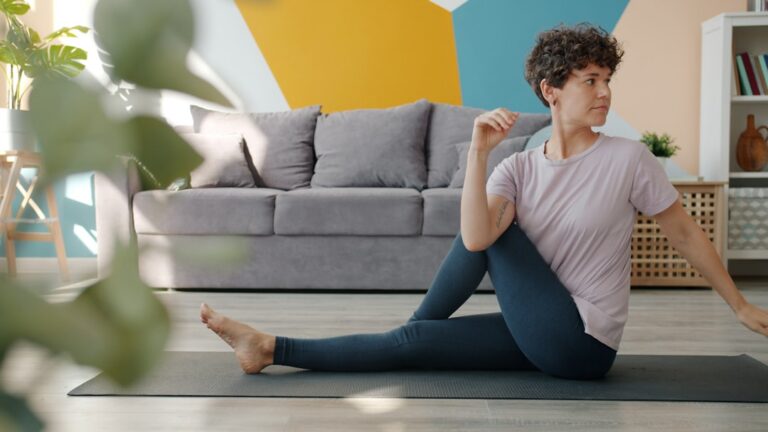
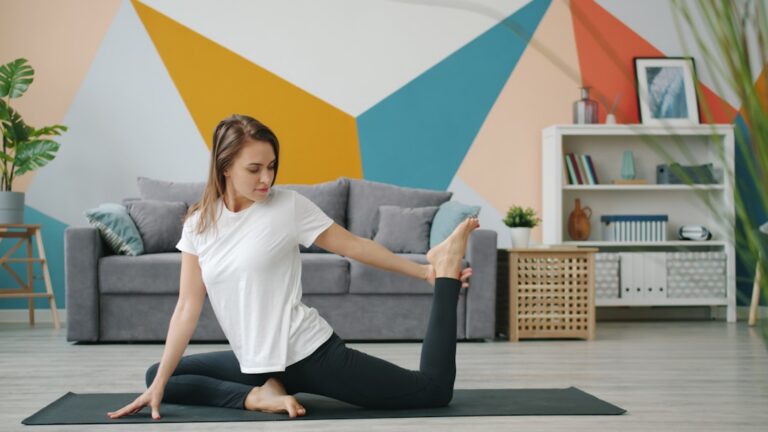
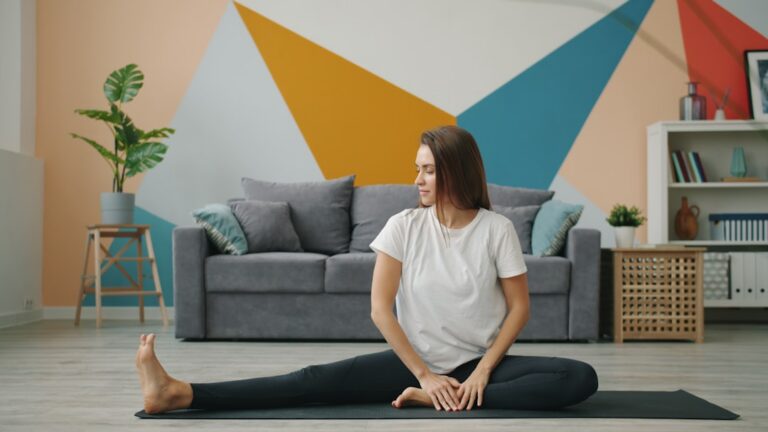
- Stretching became a loving routine, something I looked forward to every morning, rather than an obligation.
This gentle approach didn’t just nurture my body. It nurtured my mind as well. I found that when I moved with intention, my stress levels decreased. I became more attuned to my emotions. Some days, I would feel that familiar heaviness in my chest, but instead of pushing through a rigorous workout, I would take a moment to pause, breathe, and ask myself what I truly needed. Often, it was just a slow, mindful walk, or some gentle yoga flows.
Reconnecting Through Intention
The most powerful lesson came during a particularly busy week when life felt overwhelming. Between work deadlines and family commitments, my mind was racing, and I could feel tension building in my shoulders. Instead of heading to the gym for my usual high-intensity workout, I opted for a restorative yoga class instead. As I settled onto my mat, I let out a sigh, releasing the tightness I had been holding. Each pose was an invitation to let go of the chaos, to be present with myself.
During savasana, I remember feeling a sense of relief wash over me, as if the weight of the world was lifting. I realized that sometimes, movement isn’t about burning calories or reaching goals. It is about connecting with ourselves, our breath, and our emotions. I left that class feeling lighter, with a renewed perspective on what moving with intention truly meant.
Creating My Own Path
Since then, I have created my own unique movement routine that incorporates a variety of practices. I now mix walking, yoga, and strength training, but I have also included activities that resonate with me personally. Some days, I might dance in my living room to my favorite songs. Other days, I might hop on a bike for a leisurely ride. I am learning that movement can be joyful, playful, and liberating when I let go of rigid expectations.
I have also found joy in trying new things. Last summer, I joined a community gardening group. The act of digging in the soil, planting seeds, and nurturing the garden became a form of movement that felt incredibly rewarding. I discovered that shifting my perspective on movement allowed me to find joy in unexpected places.
Practicing Mindfulness in Movement
At this point, you might be wondering how to start listening to your own body if it feels foreign. Here are a few gentle suggestions that have helped me along the way:
- Begin with Awareness: Each day, take a moment to check in with your body. How does it feel? Are there any areas of tension? What kind of movement would feel good right now?
- Start Small: Introduce small bursts of movement that align with your energy levels. A 10-minute walk, a few gentle stretches, or even some deep breathing can work wonders.
- Explore Different Activities: Try out various forms of movement. Dance, yoga, swimming, or even gardening. See what brings you joy and listen to what your body responds to.
- Be Kind to Yourself: If you skip a workout or don’t feel like moving one day, be gentle with yourself. Remember that it’s a process, and listening to your body is a skill that takes time to cultivate.
As I continue on this journey, I am reminded that moving with intention is not about achieving perfection; it is about finding balance and joy in the everyday. There will be days when I fall back into old patterns, but I gently remind myself that it is part of the learning process. I hope that by sharing my experiences, you feel encouraged to explore what movement means for you and to foster a connection with your body.
A Gentle Reminder
In the end, learning to move with intention is a personal journey. It is about understanding your unique body and what it needs. It is not about fitting into a mold but rather embracing the wonderful diversity of movement that exists. Life is too short to struggle through workouts that drain us rather than uplift us. So let’s celebrate the beauty of listening to our bodies and moving in ways that feel right.
As we navigate this together, remember to savor the moments of movement, however small they may seem. They can lead to a deeper sense of well-being and a more fulfilling relationship with our bodies.